How Osteopaths Can Help To Quickly Fix Knee Pain
Osteopaths, with their holistic approach to healthcare, employ various techniques to address knee pain, aiming not just to alleviate symptoms but also to identify and rectify underlying causes. Here's an insightful guide on how osteopaths can effectively tackle knee pain:
Comprehensive Assessment
Osteopaths begin by conducting a thorough assessment of the patient's knee pain. They examine the knee joint, surrounding muscles, and ligaments, and assess the patient's gait and posture. This assessment aims to pinpoint the root cause of the pain, whether it's due to injury, misalignment, muscle tension, or structural issues. You should hire only experienced professionals in William Landings such as West Osteopathy experts. They are renowned experts and have earned a reputation like Massage Williams Landing.

Osteopathic Manipulative Treatment (OMT)
OMT involves hands-on techniques to improve joint mobility, reduce pain, and enhance overall function. Osteopaths employ gentle manipulation, stretching, and mobilization techniques to alleviate tension in the muscles and ligaments around the knee joint. These techniques aim to restore proper alignment and optimize the body's natural healing mechanisms.
Soft Tissue Techniques
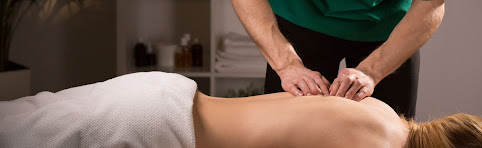
Soft tissue techniques, such as myofascial release and massage, are utilized to address muscle tightness, trigger points, and inflammation in the knee area. By releasing tension and improving blood circulation, osteopaths help reduce pain and enhance flexibility in the affected tissues.
Corrective Exercises and Rehabilitation
Osteopaths often prescribe specific exercises and rehabilitation programs tailored to the individual's condition. These exercises focus on strengthening the muscles around the knee, improving flexibility, and enhancing stability. Patients are guided through exercises that target the underlying issues contributing to their knee pain.
Lifestyle and Postural Advice
Osteopaths offer guidance on lifestyle modifications and posture correction to prevent recurrent knee problems. Educating patients on ergonomics, proper body mechanics, and adopting healthy habits can significantly reduce stress on the knee joint, promoting long-term relief from pain.
Addressing Overall Body Alignment
Osteopaths consider the body as a whole interconnected system. They may address issues in other areas of the body that could indirectly contribute to knee pain. Imbalances in the hips, spine, or feet can impact knee function, and osteopaths work on correcting these imbalances to alleviate knee discomfort.
Collaborative Approach
In complex cases, osteopaths may collaborate with other healthcare professionals, such as physiotherapists, orthopedic specialists, or sports medicine doctors. This collaborative approach ensures a comprehensive treatment plan that combines various expertise to address knee pain effectively.
Stress Reduction Techniques
Chronic stress can exacerbate pain perception. Osteopaths may suggest stress reduction techniques, such as relaxation exercises, breathing techniques, or mindfulness practices, to help manage stress levels. Reduced stress can positively impact pain perception and overall well-being.
Conclusion
Osteopaths employ a multifaceted approach to address knee pain, focusing not only on symptom relief but also on identifying and rectifying the underlying causes. Through a combination of hands-on manipulation, targeted exercises, lifestyle modifications, and a holistic perspective, osteopaths aim to alleviate knee pain, restore function, and promote long-term musculoskeletal health for their patients.
.jpg)
Comments
Post a Comment